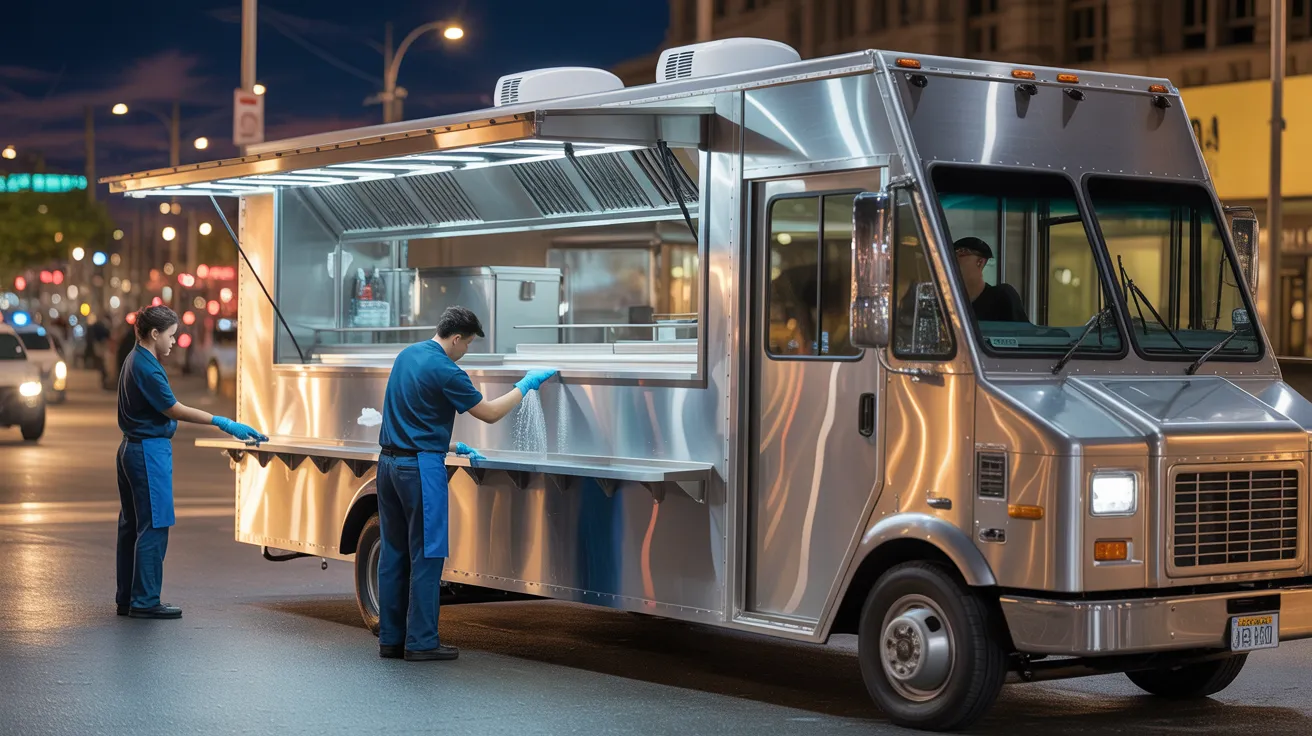
Food hygiene and commercial cleaning experts in Brampton assist you in maintaining dining venues, food supply centers, baking operations, warehouses, and mobile food operations to code. They disinfect high-touch points, food-contact surfaces, equipment, floors, drains, restrooms, and prep areas with approved chemicals, proper dilution, and documented exposure durations.
Main Points
- Brampton's sanitation specialists clean for restaurants, grocery departments, commissaries, warehouses, bakeries, schools, mobile vendors, and allergen-sensitive operations.
- Frequently contacted areas, food-contact equipment, kitchens, floors, drains, restrooms, and storage areas are sanitized using zone-based workflows to avoid cross-contamination.
- Documentation of completion through samples, assessments, and corrective-action records confirms approved contractors have validated approved sanitizer dilution, alignment, and contact time.
- Everyday, recurring, and periodic operations allocated by zone make up cleaning plans based on hazard, production volume, format changes, releases, and standards.
- Prioritize vendors demonstrating HACCP, health regulatory knowledge, safety training instruction, insurance, testimonials, color-coded equipment, and audit-ready sanitation documentation.
Food Safety Cleaning Requirements for Brampton Facilities
Food safety cleaning is required for any Brampton facility that handles, maintains, prepares, packages, or offers food. Apply it to your facility if it comes under public health review, food regulations, or HACCP protocols. This includes eateries, cafes, warehouses, supermarket areas, meat markets, fish stands, convenience outlets, and institutional food areas.
You'll also need adherent sanitation standards in distribution warehouses, production plants, frozen storage areas, commercial bakeries, educational meal programs, banquet venues, and food delivery services. Mobile and temporary businesses count as well, examples being mobile kitchens, market vendors, and seasonal booths. Should your workers handle raw materials, divide prepared dishes, warm finished meals, or maintain allergen storage, your venue requires written cleaning standards. In Brampton, cleanliness continues to be mandatory; it forms lawful, operational, and customer protection standards.
What Do Brampton Cleaning Professionals Handle?
You require experienced cleaning professionals who sanitize frequently touched areas, kitchen spaces, flooring, and bathrooms to ensure compliance with food safety and health standards. These areas are targeted because they carry the greatest contamination risk, slip and fall dangers, and regulatory breaches.
If you grasp what they sanitize, you'll successfully ensure your facility meets all operational and regulatory compliance needs.
Important High-Touch Surface Cleaning
establish how periodically each zone is sanitized
Maintaining a one-way workflow, swapping wipes, and organizing cleaning supplies by section ensures that your sanitation stays measurable, defensible, and ready for inspection always
Kitchen Areas, Floor Surfaces, and Bathroom Spaces
Expect Brampton cleaning experts to target kitchens, floors, and restrooms because each area carries unique food safety, slip-and-fall, and sanitation risks. In industrial kitchens, you need grease removal from cooking stations, appliance surfaces, drain systems, preparation areas, and backsplashes to minimize bacterial growth and pest activity.
Floor care that is recorded should equally be anticipated. Technicians clean and remove buildup from grout, tile, and vinyl flooring, then apply proper moisture management so you can reduce slip incidents and maintain code-compliant conditions. They also handle entry points where dampness find now and dirt enter the building.
Restroom sanitation involves disinfecting touchpoints, fixtures, partitions, dispensers, and waste containers, restocking supplies and controlling odours. They also service restaurant moprooms, where chemical storage, sink hygiene, and drainage conditions can affect sanitation compliance and staff safety daily.
Why Food Safety Cleaning Matters in Brampton
Brampton businesses need to implement proper sanitation practices for meeting legal standards and passing inspections. You also minimize cross-contamination by cleaning and sanitizing food-contact surfaces, equipment, and high-touch areas correctly. Most importantly, you help protect public health by lowering the risk of foodborne illness in your facility.
Health Code Compliance
Because Brampton food operations operate under rigorous sanitary regulations, food safety cleaning directly determines your capacity to satisfy health code requirements, defend customers, and sidestep enforcement action. You must maintain clean food preparation areas, recorded sanitation plans, safe chemical management, and auditable operational standards that meet municipal and provincial inspection expectations.
When inspectors examine your operation, they evaluate whether your sanitation system supports safe storage, tool sterilization, waste handling, and restroom sanitation.
Cross-Contamination Prevention
Meeting health code standards also depends on your capacity to stop cross-contamination during routine food preparation and sanitation. You must keep raw items away from prepared dishes, clean work areas after each use, and store chemicals away from food-contact items. Clear procedures reduce transfer risks and support consistent compliance during inspections.
You should establish allergen separation to prevent major allergens from touching shared surfaces, containers, or equipment. Use dedicated cutting boards, color-coded tools, and careful equipment identification so employees avoid combining products during preparation or service. Require handwashing after handling raw meat, seafood, eggs, or allergen-containing products. Replace wiping cloths regularly, and check disinfectant potency using test kits. When you train staff to follow these controls each work period, you build a more hygienic, secure workplace that meets Brampton's food safety expectations daily.
Public Health Defense
When sanitation efforts weaken, you don't only face inspection setbacks—you expand the chance of foodborne illness striking customers, staff, and the larger Brampton community. You also weaken your role in protecting public health, especially in busy food facilities where pathogens travel quickly through surfaces, equipment, and touchpoints.
You need cleaning protocols that eliminate soils, disinfect appropriately, and confirm results. This requires following exposure durations, using authorized sanitizers, logging schedules, and coaching employees to satisfy health-unit expectations. These controls promote illness spread by decreasing microbial counts before contaminating food or hands. Throughout Brampton, effective sanitation safeguards susceptible populations, minimizes disease potential, and demonstrates your diligence. When you follow proper protocols, you exceed regulations—you mitigate risk and enable safer food service region-wide.
Why Is Cleaning Essential for Food Safety Compliance?
Maintaining strict sanitation practices ensures food safety compliance by reducing contamination risks, preventing pathogen multiplication, and keeping your facility compliant with sanitation requirements under HACCP-based programs and public health regulations. You ensure that food-contact surfaces remain visibly clean and microbiologically controlled, supporting documented preventive controls and inspection readiness.
Cleaning efforts additionally fortify allergen management by clearing residues that can cause undeclared allergen exposure.
How Should You Schedule Commercial Cleaning Work?
peak production periods, product transitions, spill events
You should also arrange periodic tasks independently
How Do You Choose Brampton Cleaning Experts?
Begin by evaluating providers based on sanitation compliance standards—not solely on price alone. You should confirm that each organization comprehends CFIA, public health, and HACCP-aligned expectations applicable to your facility. Request proof of insurance, WHMIS compliance, staff training documentation, and oversight procedures. Assess whether technicians recognize cross-contamination risks, chemical handling protocols, and verifiable sanitation records.
You should also assess operational reliability and accountability. Request references from food facilities in Brampton, then examine response times, corrective actions, and communication standards. Confirm the company supports supplier audits and can present audit-ready records when regulators or third parties request evidence. Check whether equipment maintenance is performed, color-coded implements are used appropriately, and site-specific hazards are recognized. A qualified provider protects compliance, product integrity, and your brand reputation.
What's included in a Food Safety Cleaning Plan?
Establish a documented program that establishes every sanitation duty, standard, and accountability before production begins. You should specify cleaning frequencies, approved chemicals, dilution rates, contact times, tools, and verification methods for each sector, surface, and equipment. Add pre-operational inspections, corrective actions, and employee training requirements.
Your strategy should also tackle cross-contamination controls, waste handling, pest-prevention measures, and documented schedules for restrooms, drains, floors, and food-contact areas. Outline how you'll separate raw and ready-to-eat processes, facilitate ingredient tracking, and maintain accurate allergen labeling through validated cleaning between product changes. You should establish accountability, document signed records, and evaluate results against regulatory standards, HACCP controls, and customer requirements. When gaps appear, update procedures immediately and instruct staff.
Commonly Requested Questions
Are sanitation providers available for nighttime operations in Brampton properties?
Yes, you can book cleaning services to support nighttime operations in Brampton facilities. You'll organize overnight sanitation around production schedules, access controls, and staffing requirements. Services generally map overnight logistics to reduce disruption, ensure compliance, and document completed tasks. You should verify response times, supervision, lockout procedures, and waste handling before beginning service. If you operate regulated spaces, you'll also need documentation that support inspections and internal quality assurance.
Do Brampton cleaning experts provide emergency spill response solutions?
Yes, you can locate several Brampton cleaning professionals offering emergency response services. They manage hazardous materials, assess dangers, contain affected areas, and perform swift decontamination to minimize risk and limit operational impact. You should verify response times, certifications, safety measures, and procedures. If your facility needs compliance, choose a service that documents incidents, follows procedures, and supports audits.
Are plant-based disinfectants appropriate for food-handling equipment?
In essence, plant-based sanitizers prove safe for surfaces contacting food provided you source items marked food-safe that meet regulatory compliant. Verify contact times, concentration levels, and rinse procedures before use. Natural-based solutions decrease toxic chemical contact, although you require confirmation of performance against specific pathogens. To ensure residue-free conditions, stick to manufacturer directions precisely and ensure the sanitizer meets food industry regulations.
Can maintenance plans be modified for production fluctuations?
Without question, cleaning plans adjust easily for production fluctuations. Adapt frequencies, staffing, chemicals, and verification steps to align with production rhythms while sustaining regulatory adherence. Minimize production interruptions by planning cleaning surrounding production shifts, maximum output, and usage patterns. Further modify procedural documents, training, and monitoring protocols to account for seasonal hazards, new allergens, or increased soil loads. Consistent reviews keep the strategy functional.
Will commercial cleaners train employees on sanitation best practices?
Yes, commercial cleaners typically educate your staff on hygiene standards. You receive employee instruction on correct chemical application, exposure periods, cross-contamination prevention, equipment disassembly, and record keeping. They generally follow instruction with HACCP, GMP, and CFIA or regional health department regulations. Many also conduct sanitation audits to confirm adherence, identify gaps, and strengthen remedial steps. This allows you to sustain uniform processes, succeed in audits, and minimize contamination hazards regularly.
Closing Remarks
Through working with Brampton food safety and commercial cleaning experts, you do far more than tidy—you keep your operation prepared for audits and your procedures stay aligned with regulations. From kitchen spaces to processing areas, all maintained surfaces and organized zones reduce contamination risks and prevent significant costs. Through scheduling maintenance at proper intervals and sticking to a solid cleaning plan, you ensure protection for your team, clients, and your good name. Within strict regulatory frameworks, proper sanitation cannot be considered optional—they represent good business practice.
Comments on “Professional Food Safety Cleaning”